Iowa Lead Detonation
How serious is the lead risk?
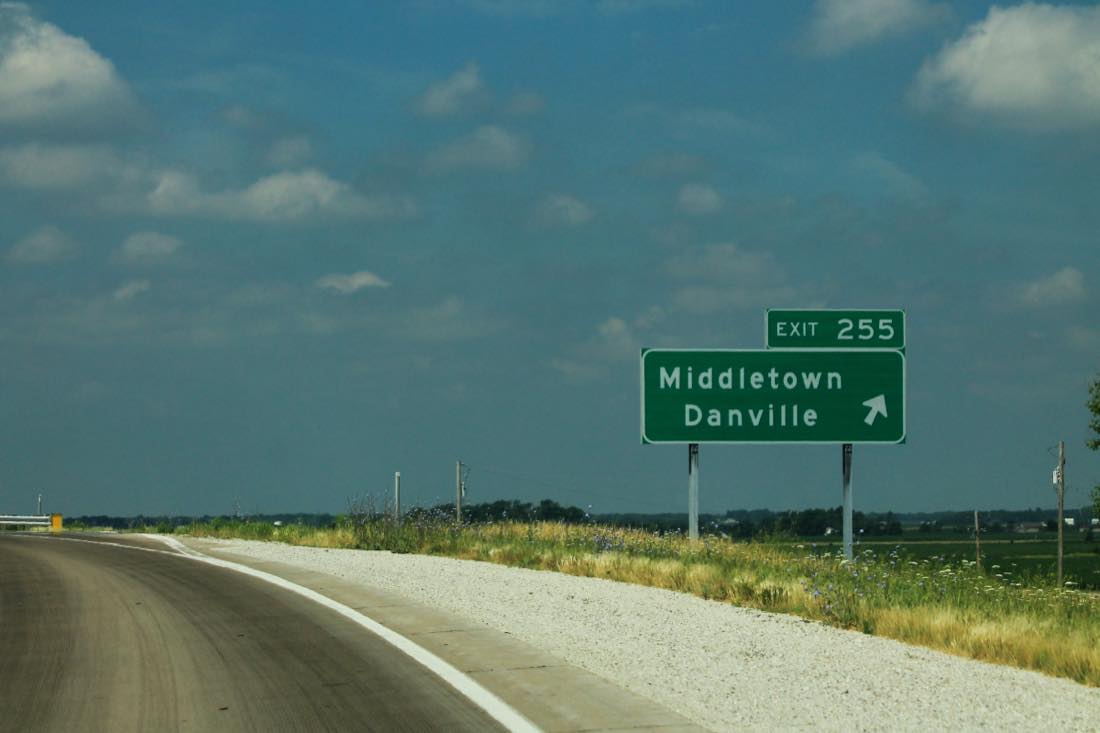

The U.S. Army plans to blow up 68 drums, nearly five tons, of degraded lead azide at the Iowa Army Ammunition Plant in Middletown at about 9 a.m. CT on Nov. 25. Officials say the chemical has become unstable and could explode on its own; the blast will send a plume of lead dust beyond the plant (NBC News). This tracker follows what air, soil and water sampling shows afterward, what officials advise, and which claims about the dust go beyond the measurements.
This tracker closed on November 27, 2026. The Army carried out the detonation on Nov. 25. Since then no sampling has found lead above health or screening levels outside the plant, and officials have not widened evacuation zones or issued health, food or water advisories. Soil, dust and water results are still pending; any of the triggers below would reopen this tracker.
What the evidence shows
- The Army destroyed nearly 5 tons of degraded lead azide (68 drums) at the Iowa Army Ammunition Plant in Middletown on Nov. 25, in two detonations.
- EPA says every one of its real-time air monitors across the region has reported zero airborne lead since the blast.
- FEMA gave residents near the plant the “all clear” to return home that afternoon, the Army said (CNN).
- Soil, dust and water sampling continues; results had not been published when this tracker closed.
What would reopen it
- EPA, state or independent samples show lead above health or screening levels outside the plant, in Iowa or Missouri.
- Officials widen evacuation zones, or issue blood-lead testing, food, crop, garden, livestock or well-water advisories.
- Evidence that the blasts released more lead, or spread it farther, than the Army estimated.
Closed trackers reflect our provisional conclusion. We may reopen this one at any time if our editors see that new information has become available. The page and its sources stay online as a record.
The Army destroyed 68 drums of degraded lead azide at the Iowa Army Ammunition Plant on Nov. 25. EPA says every one of its real-time air monitors across the region has reported zero airborne lead since the blast, reading every five minutes. Soil, dust and water sample results are still pending. We rate the risk Contained; results above health or screening levels outside the plant would raise it.
What would change this rating ↓
iowalead.america2.newsGet America 2.0 in your inbox
Analysis of Russian influence, information warfare and the networks behind them. Free; unsubscribe anytime.
Latest reports
New reporting from major outlets and official sources, listed as it appears. Our monitoring adds headlines from major outlets automatically. "Checked" means our software fetched the full report and confirmed it supports its headline. "Reviewed" means an editor checked it against its source. "Auto" items have not been checked yet. Tap a label for our note. None of this is an endorsement. Our assessment is the rating above.
- Test results from samples taken after Iowa detonation are expected soon, EPA says (NBC News)
reviewed ▾
An editor checked this report against its source. (2026-11-27) - NASA deploys P-3 Orion, Gulfstream III and King Air to monitor Iowa lead azide detonation (Aerospace Global News)
reviewed ▾
An editor checked this report against its source. (2026-11-27) - Hundreds of flights canceled on Thanksgiving Day as storms hit and question swirl over Iowa detonation: Morning Rundown (NBC News)
reviewed ▾
An editor checked this report against its source. (2026-11-27) - EPA testing for lead contamination after lead azide detonation in Iowa (NPR)
reviewed ▾
An editor checked this report against its source. (2026-11-27) - The government says Iowa detonation results exceeded expectations. Now what? (CNN)
reviewed ▾
An editor checked this report against its source. (2026-11-26) - Army and EPA give all clear for residents to return home after Iowa lead azide detonation (live updates) (CNN)
reviewed ▾
An editor checked this report against its source. (2026-11-26) - See how the Army detonated tons of lead explosives in Iowa (The Washington Post)
reviewed ▾
An editor checked this report against its source. (2026-11-26) - FACT FOCUS: Maps online falsely claim to show the path of fallout from Iowa lead azide detonation (AP News)
reviewed ▾
An editor checked this report against its source. (2026-11-26) - US Army declares Iowa lead azide detonation ‘tremendously successful’ (Al Jazeera)
reviewed ▾
An editor checked this report against its source. (2026-11-26) - Iowa Detonation Live Updates: With Lead Tests Underway, Army Seeks to Ease Fears (The New York Times)
reviewed ▾
An editor checked this report against its source. (2026-11-25)
What would change this assessment
The rating follows official sampling results and health advisories, not forecasts or social-media reports. Any one of these would move it.
- not seenUp to Spreading: EPA or state samples show lead above health or screening levels outside the plant, or in another state.
- not seenUp to Spreading: officials widen the evacuation zone, or issue blood-lead testing, food, crop or water advisories.
- not seenUp to Serious: an uncontrolled detonation, or contamination confirmed across several communities.
- seenDown to Contained: post-blast samples along the plume path come back near background levels.
What is actually known
- Why the Army says it must blow it up: the lead azide has recrystallized, which makes it sensitive to friction and shock; moving or opening the drums could set it off, so the Army will destroy it in place (ABC News). “It’s not a matter if, it’s a matter of when,” ATF Director Robert Cekada said of an uncontrolled explosion (NBC News).
- Mitigation: the drums are to be blown up inside earth-covered concrete structures ringed by sand-filled barriers about two stories high, with soaked soil and water misters to limit how much lead leaves the plant; the Army expects the plume to linger no more than an hour (KGAN/CBS2 Iowa).
- Evacuation: FEMA is supporting relocation of all Middletown residents and the area in a 5-mile cone southwest of the plant, starting Nov. 24, with hotel lodging through Nov. 27. People outside the zone are asked to shelter in place, close windows and cover feed and water for livestock (Army advisory).
- Who is most at risk: federal health officials urged pregnant women, children under 6 and people with chronic disease in the plume’s path to leave (NBC News).
- Two delays and a court fight: the blast was first set for Nov. 20. After public concern and a call from Gov. Kim Reynolds, the Army moved it to Nov. 23 (AP), then to Nov. 25 for better weather (ABC News). On Nov. 23 President Trump ordered the Army not to proceed until the Eighth Circuit agreed; that evening the court lifted its temporary stay and denied the environmental groups’ emergency motion, while the case continues (Illinois EPA).
- Sampling: the EPA, which issued an emergency permit for the detonation, will sample air, soil and water during and after the blast (ABC News) and is posting results at response.epa.gov/IAAAPleadazide. The Army posts updated deposition maps six hours before the blast and hourly after that, and will issue a final estimate of the affected area afterward (Illinois EPA).
- Illinois: as of Nov. 24, Illinois officials said forecasts for Nov. 25 did not show the plume reaching Illinois (Illinois EPA).
- Missouri: the Army’s Nov. 24 maps show both the settled-dust and airborne-lead zones crossing into northeast Missouri at Clark County; Gov. Mike Kehoe said he did not expect significant impacts (St. Louis Post-Dispatch).
Claims in circulation
The most-shared claims, and what public sources can confirm.
Partly trueThe lead dust could reach communities 100 miles away.
Partly: the Army’s own advisory reached communities up to about 100 miles away (AP), but that is the area told to take precautions as the airborne plume passes. The Army’s model cited in the environmental groups’ filing projects settled dust over an area about 25 miles long and 5 miles wide (ABC News). A University of Iowa expert said the published plume map does not show how much dust would settle where (The Intercept). Post-blast sampling will show where it actually landed.
Where it came from: the Army’s Nov. 15 advisory and the environmental groups’ Nov. 19 court filing.
Partly confirmedThe Army is hiding what it will blow up; EPA blacked out what’s in the drums.
The redactions are real but EPA gives a reason, and the public record names the material. EPA says the permit and application “contain redacted elements for critical infrastructure security purposes at the request of Department of Army” (EPA). EPA’s notices describe the waste as lead azide that is explosive and toxic for lead (EPA). The permit requires sampling and monitoring before and after the blast, cleanup of contaminated areas, and reports to EPA (EPA). We could not read the unredacted permit, so we cannot say what each redaction covers.
Where it came from: a widely shared Nov. 24 X post reading the Army’s environmental documents and the redacted Nov. 13 permit.
No evidenceThe blast is a ploy to clear land for a data center.
No evidence links the two. A bitcoin mine near Middletown wants to grow into an AI data center, but on land it already owns; the county’s one-year moratorium on data-center permits covers it, and its president says the company has no relationship with the Army (PolitiFact). The Army’s documents name no other use for the site.
Where it came from: X posts pointing to the nearby mine and the county moratorium, some with AI-written “follow the money” timelines.
No evidenceThe fallout will permanently poison America’s food supply.
No evidence supports a national or permanent effect. The Army’s model projects settled dust over an area about 25 miles long and 5 miles wide (ABC News); its advisory tells nearby farmers to cover feed and water for livestock and crops, and says post-blast sampling results will be published (Army). Sampling will show where the dust actually landed.
Where it came from: X posts calling the blast a “dirty bomb” or a domestic terror attack.
No evidenceThe drums can’t explode on their own; the emergency is manufactured.
No evidence. EPA says the Army documented that the lead azide recrystallized in storage, which “created a risk of spontaneous explosion due to the material’s sensitivity to friction and shock” (EPA). The Army says continued storage raises the risk of an uncontrolled explosion as temperatures fall (Army).
Where it came from: X posts saying bulk lead azide has never exploded on its own.
What independent experts say
- Patrick O’Shaughnessy, University of Iowa (occupational and environmental health): the Army’s plume model is “basically a colored blob … on a map” that does not show the estimated concentration of settled dust; the airborne plume could pass within hours (The Intercept).
What to watch next
- The blast itself, about 9 a.m. CT Nov. 25, and whether both detonations go as planned.
- The first EPA air, soil and water results on its public dashboard, and the Army’s final estimate of the affected area.
- The all-clear for evacuated residents, and any follow-up advice on gardens, livestock, wells or blood-lead testing.
- Further filings in the environmental groups’ case.
Timeline
- Nov. 19Environmental groups file an emergency motion to stop the detonation (ABC News).
- Nov. 19After public concern and a call from Gov. Reynolds, the Army postpones the Nov. 20 blast to Nov. 23 (AP).
- Nov. 22The Army moves it to Nov. 25 for better weather (ABC News).
- Nov. 23President Trump orders the Army not to proceed until the Eighth Circuit agrees; that evening the court lifts its stay and clears the detonation (Illinois EPA, NBC News).
- Nov. 24Federal officials brief the press; FEMA-supported evacuation begins (NBC News, Army advisory).